1What is hotel reporting software?
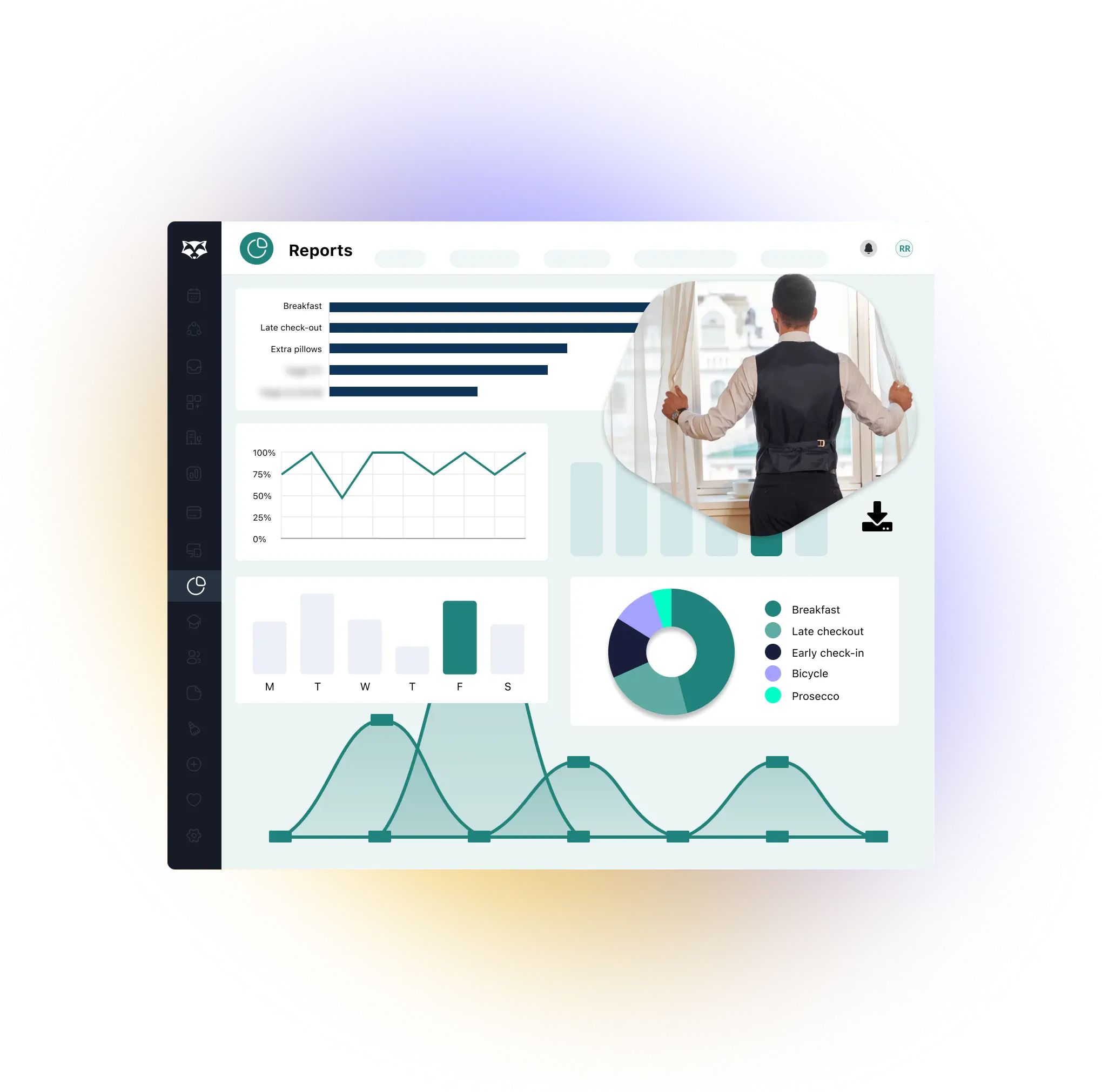
Hotel reporting software is a digital tool that collects, analyses, and presents operational and financial data from a hotel in one central system. It transforms booking, revenue, and guest data into clear reports and dashboards. For Irish hotels, reporting software replaces spreadsheets and manual analysis, providing real-time insights that support smarter daily decisions and long-term planning.
2Why is reporting important for hotels in Ireland?
Reporting is essential for understanding how a hotel is performing across occupancy, revenue, and operations. Irish hotels often face seasonal demand and fluctuating occupancy, making accurate data crucial. Reporting software helps hoteliers spot trends, identify gaps, control costs, and respond quickly to changes in demand without relying on guesswork.
3What types of hotels benefit from reporting software?
Independent hotels, boutique hotels, guesthouses, B&Bs, aparthotels, and multi-property operators all benefit from reporting software. Regardless of size, any property that wants better visibility into bookings, revenue, and guest behaviour can use reporting tools to improve efficiency and profitability.
4What kind of data does hotel reporting software track?
Hotel reporting software tracks reservations, occupancy, room revenue, payments, deposits, cancellations, booking channels, and guest profiles. Some systems also include operational data such as housekeeping status and upsell performance. Together, these data points provide a complete overview of hotel performance.
5How does hotel reporting software replace spreadsheets?
Instead of manually exporting and updating spreadsheets, reporting software automatically pulls live data from the hotel system. Reports are always up to date and visually presented in charts and tables. This reduces errors, saves time, and ensures decisions are based on accurate information rather than outdated figures.
6What are key hotel KPIs tracked in reporting software?
Common hotel KPIs include occupancy rate, ADR, RevPAR, total revenue, booking pace, and channel performance. Tracking these metrics helps Irish hoteliers understand demand patterns, evaluate pricing strategies, and measure overall business health throughout the year.
7How do real-time reports help hotel decision-making?
Real-time reporting allows hoteliers to respond immediately to changes in demand, cancellations, or booking trends. Instead of waiting for end-of-month figures, decisions can be made daily. This agility is particularly valuable for Irish hotels during peak seasons or unpredictable demand periods.
8What are daily revenue reports and why are they useful?
Daily revenue reports show income from rooms, booking engines, POS systems, and additional services. They provide a clear snapshot of financial performance each day, helping hoteliers track cash flow, identify missed revenue, and maintain tighter financial control.
9What are management reports in hotel reporting?
Management reports combine financial transactions, payments, balances, and booking data into one overview. These reports support accurate accounting, reconciliation, and financial planning. For Irish hotels, management reports reduce administrative workload and improve transparency.
10How do year-on-year reports support hotel growth?
Year-on-year reports compare performance across different periods, such as revenue, occupancy, and booking patterns. This helps hotels understand long-term trends, assess growth, and set realistic targets. These comparisons are especially useful for planning budgets and marketing strategies.
11What is a budget vs. actual report?
A budget vs. actual report compares planned financial performance with real results. It helps hoteliers monitor costs, identify overspending, and adjust forecasts. This type of reporting strengthens financial stability and supports better control over profitability.
12How do deposit reports improve payment tracking?
Deposit reports track guest prepayments, outstanding balances, and received funds. They simplify reconciliation and reduce the risk of missed or delayed payments. For Irish hotels managing advance bookings or group stays, deposit reporting improves financial clarity.
13How does reporting software help analyse booking channels?
Reporting software shows which booking channels generate the most reservations and revenue. This insight helps hoteliers refine their distribution strategy, focus on profitable channels, and reduce dependency on high-commission platforms.
14How do occupancy trend reports support forecasting?
Occupancy trend reports reveal patterns across days, weeks, and seasons. These insights help hotels forecast demand more accurately, plan staffing levels, and adjust pricing. Forecasting is especially important for Irish properties affected by tourism cycles.
15What guest insights can hotel reporting software provide?
Guest insights include booking behaviour, stay patterns, and preferences. This data supports better marketing, personalisation, and guest retention strategies. Understanding guest profiles helps hotels improve service and target the right audiences.
16Can reporting software track upsell and cross-sell performance?
Yes, reporting tools can show how much revenue is generated through upsells such as room upgrades, add-ons, and packages. Hotels can identify popular extras and optimise offers to increase revenue per guest without adding operational complexity.
17How does reporting help identify revenue gaps?
By comparing expected versus actual revenue, reporting software highlights underperforming areas. Hotels can spot missed opportunities, underused room categories, or ineffective pricing strategies and make data-driven adjustments.
18What role do financial reports play in compliance?
Accurate financial reports support compliance with accounting standards and tax requirements. For Irish hotels, clear reporting simplifies audits, VAT tracking, and financial reviews, reducing risk and administrative burden.
19How does reporting software support multi-property operators?
Multi-property reporting allows operators to compare performance across locations from one dashboard. This central view helps identify best practices, underperforming sites, and growth opportunities across a hotel group.
20Can reports be shared easily with hotel teams?
Most reporting systems allow reports to be exported with one click. This makes it easy to share insights with managers, owners, or accountants, ensuring everyone works with the same up-to-date information.
21Why is automated reporting important in 2026?
In 2026, hotels face higher guest expectations and tighter margins. Automated reporting reduces manual work, improves accuracy, and ensures decisions are based on live data. For Irish hotels, this efficiency is essential to remain competitive.
22How are hotel reporting needs changing in Ireland in 2026?
In 2026, Irish hotels increasingly prioritise real-time insights, integrated financial data, and visual dashboards. Operators want faster access to information without relying on manual reports or spreadsheets.
23How does reporting software improve operational efficiency?
Reporting software reduces time spent collecting data and preparing reports. Teams can focus on acting on insights rather than compiling them, improving productivity and decision speed.
24What should Irish hotels look for in reporting software?
Irish hotels should prioritise real-time data, ease of use, clear visualisation, and integration with other hotel systems. Reporting should support both daily operations and long-term strategy without adding complexity.
25Why choose RoomRaccoon for hotel reporting in Ireland?
RoomRaccoon offers integrated hotel reporting with real-time dashboards, financial reports, and performance insights. Irish hotels can monitor bookings, revenue, payments, and trends from one central platform, enabling confident, data-driven decisions across their entire operation.