








BOOKING ENGINE

Direct bookings that keep guests coming back.

Accept direct reservations with a hotel booking engine, cutting out OTA commission fees so you maximise your earnings.

1.2M+ direct bookings processed every year

Personalise the guest booking experience.

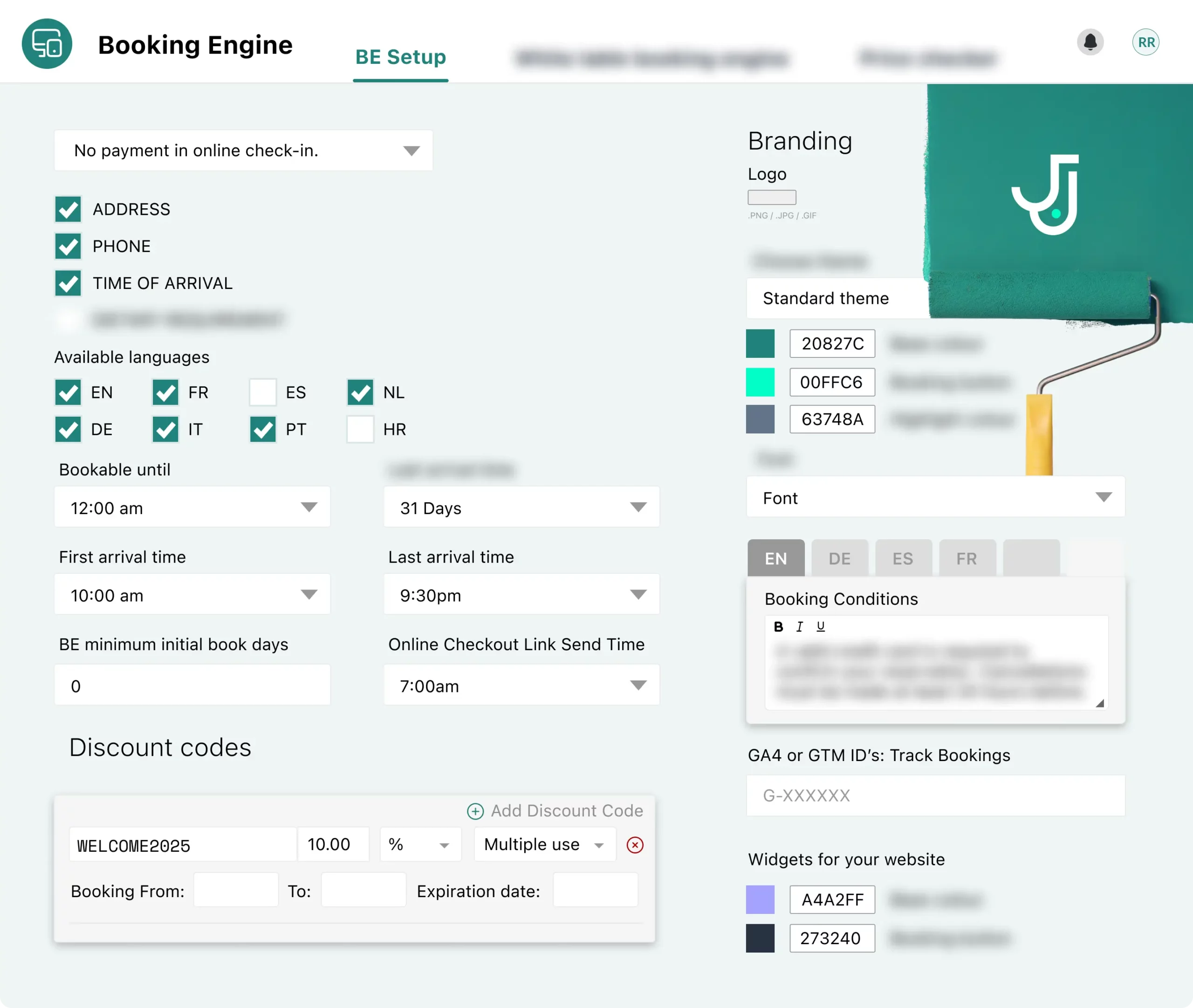
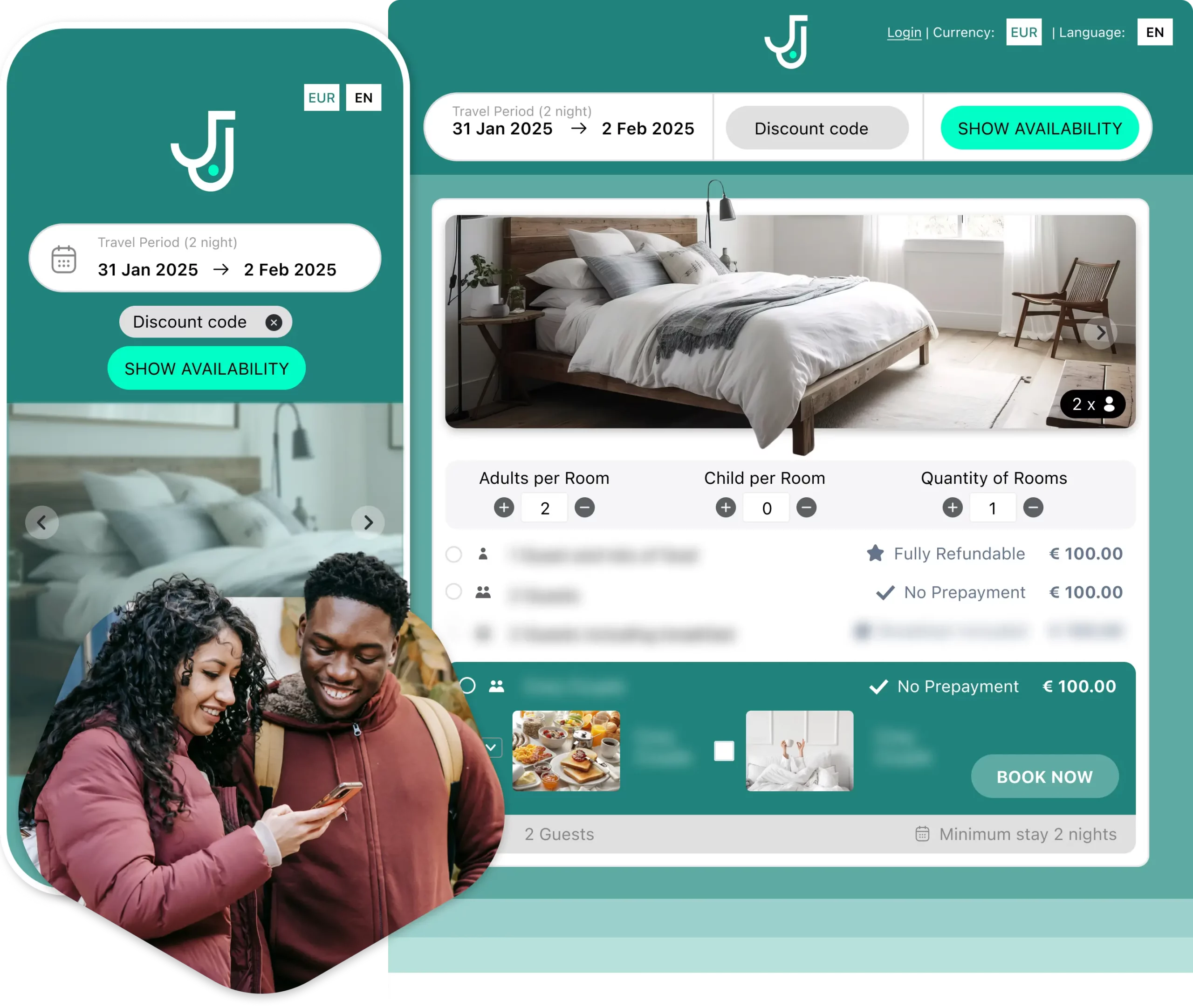
  • Language & Currency Converter— Make it easy for international guests to book in their own language and currency.
  • Customisation— Match your booking engine to your brand with customizable colours, logos, content, and unit names (rooms, beds, lodges).
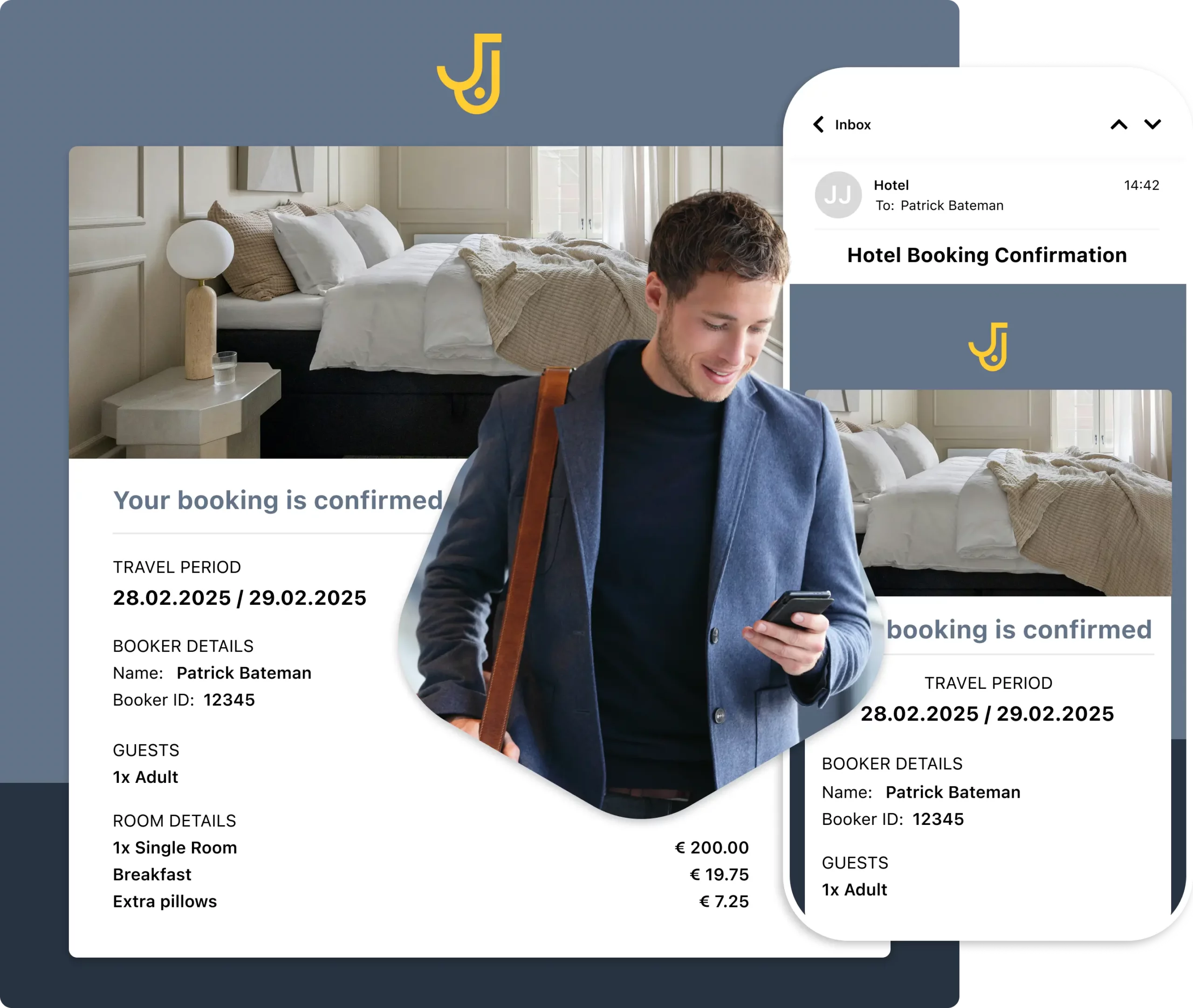
  • Booking Confirmations— Automate customisable emails with key booking details for a seamless, personalised experience.
  • Mobile Friendly— Guests can easily book on any device with a responsive booking engine for a seamless experience.
Smart booking features that make you more money.

  • Google Hotels and Tripadvisor integration—Get seen where travellers search and convert more guests into direct bookings.
  • Add-Ons— Boost guest spend by offering irresistible add-ons like beverages, spa treatments, and airport transfers to elevate their stay.
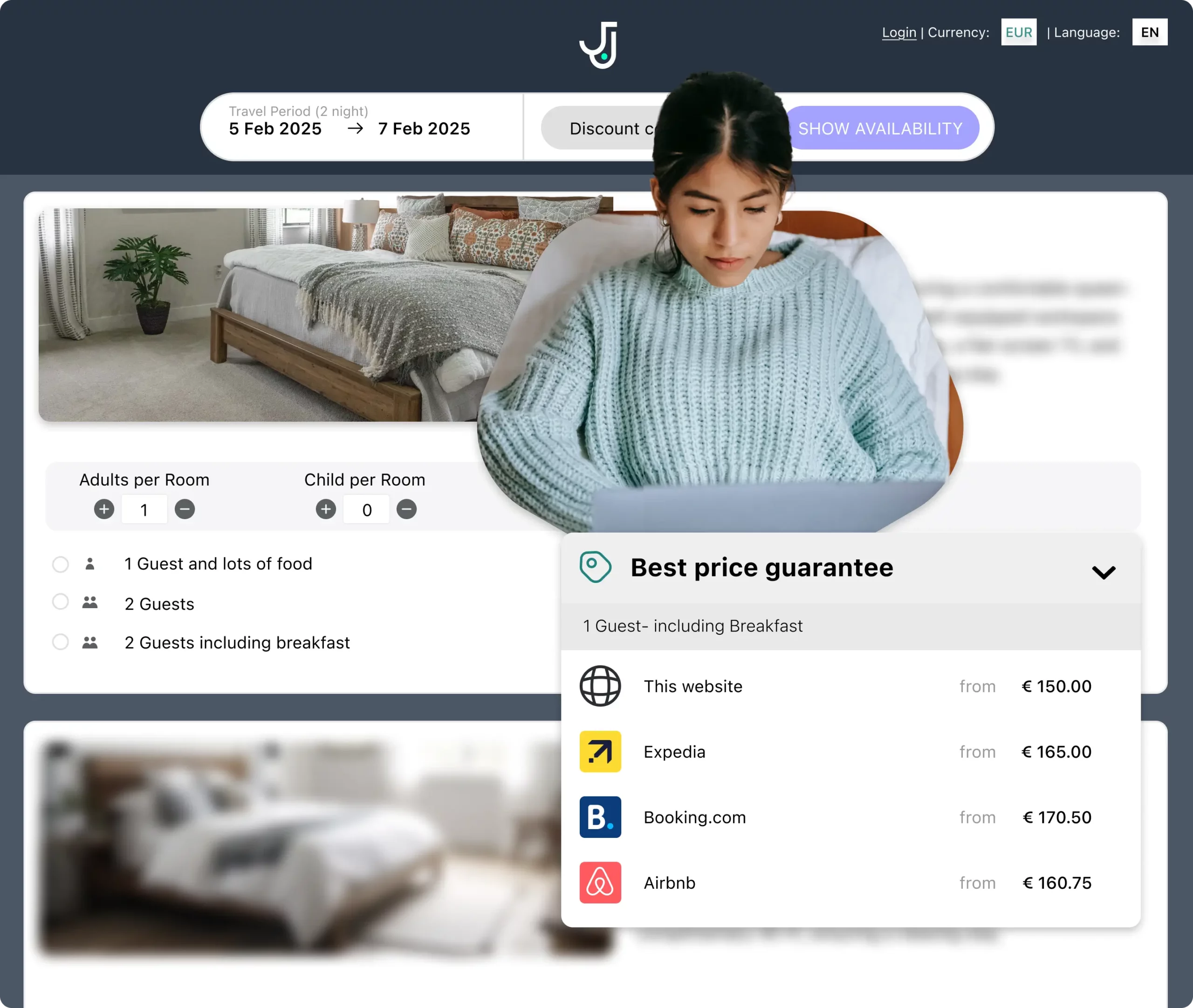
  • Price Checker— Keep visitors on your site with a built-in price comparison widget that displays your live rates—boosting confidence to book direct.
  • Discount Codes—Boost direct bookings with exclusive promotions shared on your website or directly with guests.

Offer flexible rates to match modern guest expectations.

  • Room Types & Packages— Create multiple room types with flexible rate plans and packages (Non-Refundable Rates or Bed and Breakfast Deals).
  • Parent-Child Configuration— Easily link rooms for families, groups, or event bookings to boost flexibility and maximise occupancy.
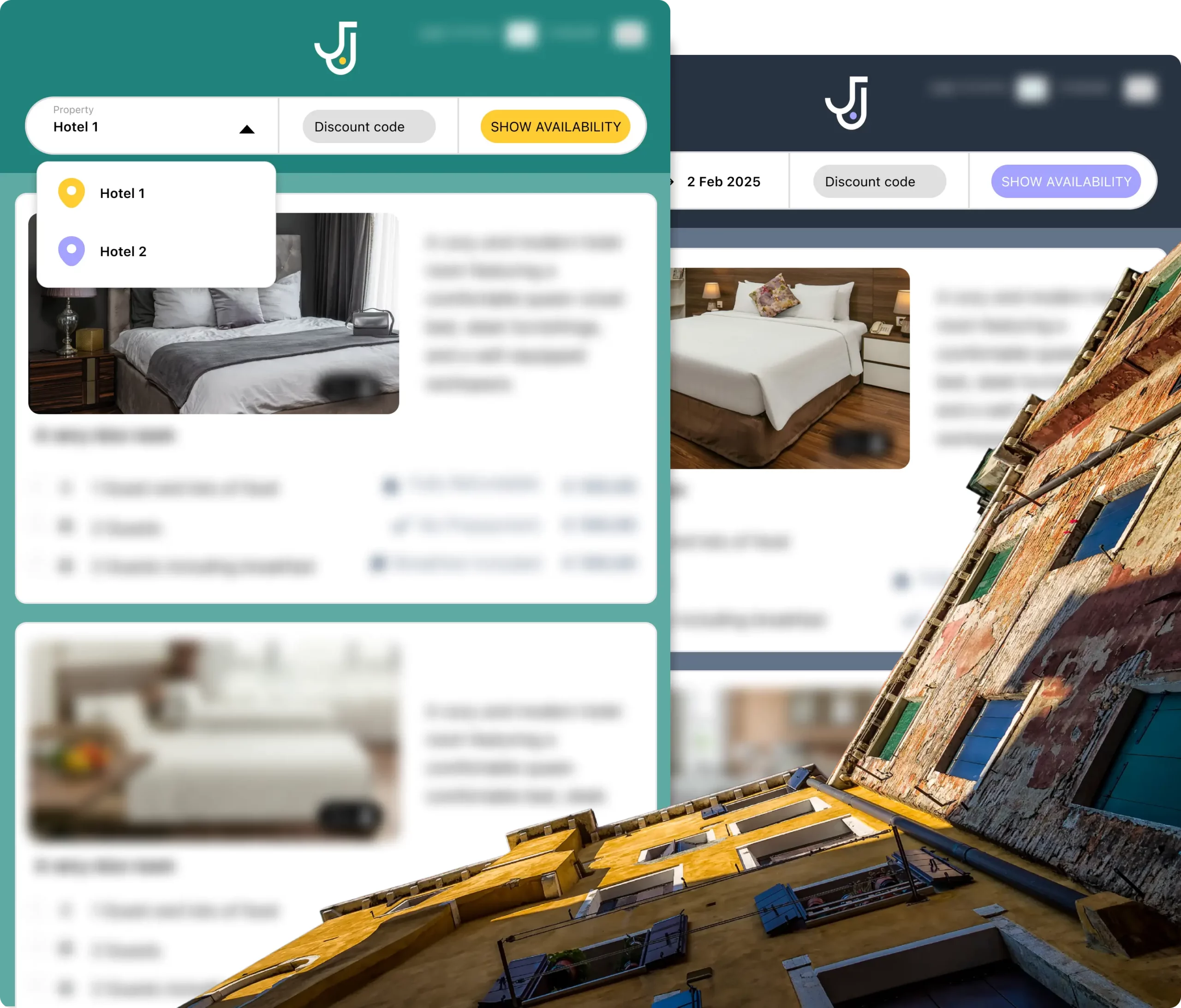
  • Multi-Property Booking Engine—Let guests easily search availability across your entire portfolio or multiple properties to find the perfect stay.
Secure. Fast. 24/7 Payments.

  • Secure Payments— RoomRaccoon Payments is PCI-DSS compliant, with tokenised data protection and 3DS authentication.
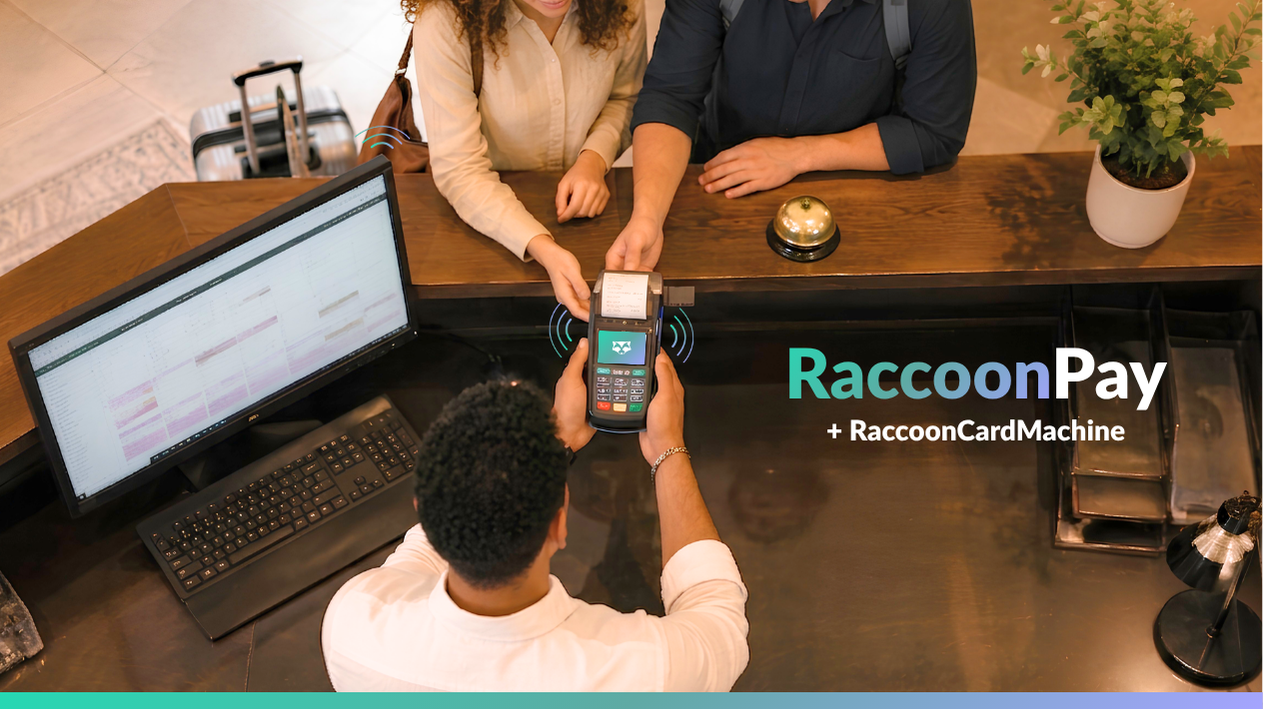
  • Pre-Payments— Process the partial or full booking payment to secure revenue and keep cash flow steady.
  • Flexible Pre-Payment Rules— Set different pre-payment requirements for each rate plan to control cash flow and booking commitments.
  • Credit Card Guarantee & Pre-Authorisation— Secure bookings without upfront payment by holding funds on a guest’s card.

Say yes to groups and travel partners.

  • Room Allotment—Block rooms for group bookings with automated availability updates and release deadlines.
  • Custom Booking Engine Link— Give group organisers direct access to allotted rooms allowing multiple guests to book at the agreed group rate.
  • Contracted Rates & Booker Codes— Provide travel partners with exclusive rates and booker codes for controlled access to negotiated pricing.
Fuel your direct booking strategy with real-time reports.

  • Reservation Insights— Track channel performance, occupancy, top room types, and booking lead times—all in one place.
  • Guest Profiles— Understand your guests with insights on country of residence, stay length, travel purpose, and preferences.
  • Upsell Performance— Identify top-selling add-ons, uncover trends, and optimise your upselling strategy to boost revenue.
  • Google Tag Manager Integration— Track booking engine visitors and gain insights to fine-tune your marketing strategy.

Explore our full suite of tools in one powerful platform.

Manage OTAs with Channel Manager, secure direct bookings with a Booking Engine, and get paid faster with integrated Payments.

Our recommended resources

FAQs: Hotel Booking Engine

1What is a hotel booking engine?
A hotel booking engine is software embedded on a hotel’s website that allows guests to make direct online reservations. It displays real-time availability, rates, and room types, processes secure payments, and sends instant confirmations. For Irish hotels, guesthouses, and B&Bs, a booking engine turns the website into a direct sales channel and reduces dependence on third-party platforms.
2What is an Internet Booking Engine (IBE)?
An Internet Booking Engine (IBE) is another term for a hotel booking engine. It enables guests to book directly via a hotel’s website using live availability and pricing. IBEs are commonly used by Irish accommodation providers to increase direct revenue and maintain control over the booking experience.
3How does an online booking system work?
The booking engine connects to the hotel’s Property Management System and channel manager. When guests select dates, availability is checked in real time, payments are processed securely, and reservations are confirmed instantly. Inventory is updated automatically across all connected channels, preventing double bookings.
4What is the difference between a booking engine and hotel reservation software?
A booking engine focuses on generating direct online reservations through the hotel website. Hotel reservation software is broader and manages bookings from all sources, guest data, and operational workflows. Many Irish hotels use integrated systems where the booking engine is part of the overall reservation and management platform.
5How does a booking engine differ from an OTA?
A booking engine belongs to the hotel and supports commission-free direct bookings. OTAs are third-party marketplaces that charge commission on each reservation. Using a booking engine gives Irish hotels more control over pricing, branding, and guest data while improving profitability.
6Why should Irish hotels use a booking engine?
Irish hotels operate in a highly competitive, digital-first market. A booking engine helps capture direct bookings, reduce OTA dependency, and improve margins. It also provides guests with a fast, secure, and familiar booking experience, which is increasingly expected by travellers.
7What features should a modern booking engine include?
A modern booking engine should offer real-time availability, secure payments, mobile optimisation, multi-language and multi-currency support, discount codes, and upsell options. These features help Irish hotels appeal to international guests and convert website traffic more effectively.
8How does a booking engine support mobile bookings?
Mobile-friendly booking engines automatically adapt to smartphones and tablets. Guests can browse rooms, select dates, and complete payments easily on smaller screens. This is essential, as a large share of bookings in Ireland now originate from mobile devices.
9What are the advantages of cloud-based booking engines?
Cloud-based booking engines require no local servers, update automatically, and can be accessed from anywhere. They offer better security, lower IT costs, and real-time performance visibility. Irish hotels benefit from flexibility and reliability, especially when managing bookings remotely.
10What happens if a hotel does not use a booking engine?
Without a booking engine, hotels rely more heavily on OTAs or manual bookings. This increases commission costs, administrative workload, and the risk of errors. In Ireland’s competitive tourism market, the absence of direct booking technology can limit growth and efficiency.
11Can a booking engine increase hotel revenue?
Yes. By converting website visitors into direct bookings, hotels retain more revenue that would otherwise go to commission fees. Booking engines also support upsells and packages, increasing the average value per reservation.
12How does a booking engine support upselling and promotions?
Booking engines allow hotels to offer add-ons such as breakfast, parking, upgrades, or experiences during the booking flow. Irish hotels use promotions, discount codes, and bundled offers to increase conversion and revenue per stay without additional operational effort.
13Can a booking engine handle group and corporate bookings?
Yes. Booking engines can support negotiated rates, room blocks, and private booking links for groups and corporate clients. This simplifies bookings for conferences, tours, and business stays while keeping availability and pricing controlled.
14How does a booking engine integrate with a PMS and channel manager?
The booking engine connects via API to the PMS and channel manager. This two-way integration ensures that rates, availability, and reservations stay synchronised across all systems, eliminating discrepancies and overbookings.
15How does a booking engine fit into a hotel’s technology stack?
A booking engine works alongside the PMS, channel manager, payments, and reporting tools. Together, they form a connected system that automates distribution, reservations, guest communication, and financial workflows for Irish hotels.
16How is a booking engine added to a hotel website?
Hotels usually embed the booking engine using a code snippet, plugin, or widget. The booking interface matches the hotel’s branding and links directly from a “Book Now” button, creating a seamless user experience.
17How much does a hotel booking engine cost in Ireland?
Pricing varies depending on features and provider. Some engines charge monthly fees, while others include the booking engine as part of a broader platform. Irish hotels often prefer transparent, commission-free pricing models.
18Is a booking engine secure for online payments?
Yes. Reputable booking engines comply with PCI-DSS standards, use SSL encryption, and support tokenised payments and 3D Secure authentication. This protects guest card data and reduces fraud risk.
19Is a booking engine GDPR compliant?
Booking engines designed for the EU comply with GDPR by encrypting personal data and handling guest information responsibly. Irish hotels benefit from built-in compliance features that support privacy regulations.
20Can Irish hotels use local and international payment gateways?
Most booking engines integrate with widely used gateways that support Euro transactions and refunds. This simplifies payment collection and reconciliation for Irish hotel operators.
21How does a booking engine reduce operational costs?
Automation reduces time spent on manual confirmations, payment follow-ups, and data entry. This allows staff to focus on guest service and reduces administrative overhead.
22Does a booking engine improve guest experience?
Guests benefit from instant confirmations, secure payments, clear pricing, and the ability to book in their preferred language and currency. A smooth booking experience builds trust and encourages repeat stays.
23Why are booking engines becoming essential in 2026?
In 2026, guests expect fast, mobile-first, and direct booking options. Booking engines help Irish hotels meet these expectations while maintaining control over revenue and distribution.
24How are booking engines evolving in Ireland in 2026?
In 2026, booking engines increasingly focus on automation, mobile optimisation, integrated payments, and smarter data insights. Irish hotels are prioritising technology that reduces friction and enhances conversion.
25Why choose RoomRaccoon as a booking engine in Ireland?
RoomRaccoon offers an integrated booking engine that connects seamlessly with PMS, channel manager, payments, and reporting. Irish hotels can capture more direct bookings, reduce operational complexity, and deliver a smooth, modern booking experience from one platform.

Upgrade your Booking Engine with RaccoonWhiteLabel.

Use a custom domain name for your Booking Engine and remove RoomRaccoon branding from your emails.

Make it more than a booking
—make it an experience that
drives loyalty.