














Integrated hotel payments: less admin, more time for guests
Share this post
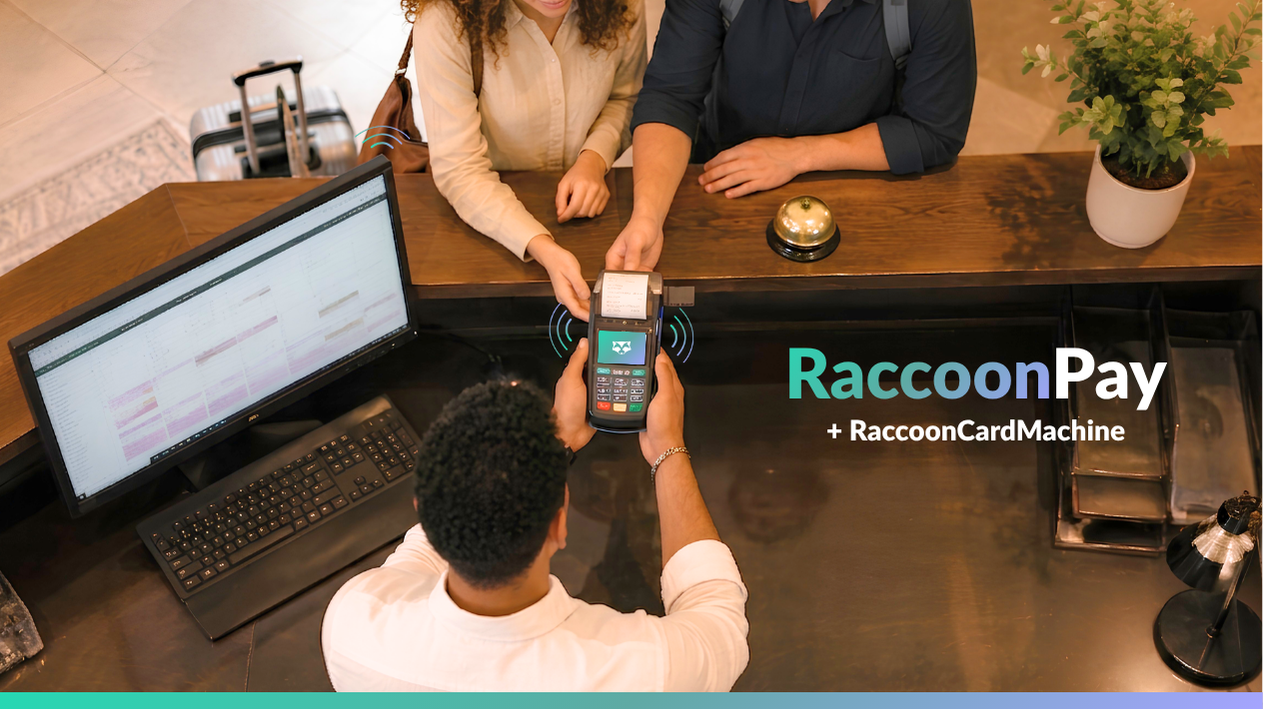
Integrated hotel payments connect payment processing with your property management system (PMS). When transactions are linked to reservations, your team can check deposits, outstanding balances and refunds without piecing together separate records. The practical benefit is less manual entry and a clearer view of what guests have paid and what still needs attention.
A guest has paid a deposit online, added breakfast before arrival and settled the balance at reception. Can your team see all three transactions against the same booking? If someone still needs to compare emails, terminal receipts and a spreadsheet, there is room to simplify the process.
For independent hotels in Ireland, connected payments can make busy arrivals and daily accounts easier to manage. Here is how to build a payment workflow that supports both reception and the person checking the bank account.
Where do integrated hotel payments reduce admin?
A payment gateway handles the online payment connection. Your hotel PMS holds the reservation and guest account. Connecting them allows payment information to sit alongside the booking, so staff can work from the same record.
The difference becomes visible in everyday tasks:
| Task | With separate systems | With a suitable integration |
|---|---|---|
| Checking a deposit | Find the payment, then update the booking manually. | Review the recorded payment against the reservation. |
| Taking a card payment | Enter the amount on a terminal and record it again in the PMS. | Start the transaction from the reservation using a connected terminal. |
| Processing a refund | Update the payment provider and booking records separately. | Process an eligible refund and see its status against the booking. |
| Checking a payout | Rebuild the total from individual receipts and fee records. | Use the payout breakdown to trace transactions and deductions. |
The exact behaviour depends on the integration and how each payment is initiated. Test the workflows your team will actually use.
Build a connected workflow from booking to check-out
1. Set the payment terms before taking the booking
Decide which rates require a deposit, full prepayment or payment later. Make the amount, due date and cancellation terms clear in your hotel booking engine and confirmation messages.
A flexible weekend rate and a prepaid special offer may need different collection rules. Keep those rules aligned with the reservation rather than asking reception to remember each exception.
2. Collect outstanding amounts before arrival where appropriate
A payment link lets the guest complete a payment online. Scheduled payment requests or authorised charges to a stored card can reduce repeated follow-up, where supported and configured. A request being sent does not mean the guest has paid: staff still need a clear way to identify overdue or failed payments.
A Galway guesthouse sells a stay for €360 and collects a €90 booking deposit. The remaining accommodation balance is €270. If the guest adds €40 of breakfast extras, the amount still due becomes €310. A connected record helps reception check those amounts before taking the final payment.
This is a worked example, not a customer result or a recommended deposit policy.
3. Check who collects payment for OTA bookings
For an online travel agency (OTA) reservation, establish whether the hotel or the OTA collects the guest’s money. If the OTA pays your property using a virtual credit card, check the activation date and permitted amount before charging it. This helps avoid charging the guest again for accommodation already paid through the booking channel.
For the detailed process, read our guide to hotel virtual credit cards.
4. Settle the correct balance at check-out
Review accommodation, extras, previous payments and any billing split before collecting the balance. For example, an employer may pay for the room while the guest pays for breakfast. Agree who is responsible for each charge and check that each payment is allocated correctly.
A pre-authorisation is a temporary hold on funds, not a completed payment. Keep holds and collected payments distinct when checking whether a guest account has been settled.
How do you reconcile hotel payments?
Hotel payment reconciliation means matching reservation payments with the payment provider’s records and the money received in your bank account. A guest payment marked as successful may still be awaiting payout.
Use three checks to keep the process manageable:
- Check the reservation: are payments and refunds allocated to the correct booking, and is the outstanding balance accurate?
- Check the payout report: which transactions, fees, refunds and chargebacks are included in this particular payout?
- Check the bank receipt: does the amount received match the reported net payout?
For example, a payout containing €2,000 in guest payments, a €100 refund and €30 in fees would total €1,870, assuming there are no other adjustments. Those figures illustrate the calculation; they are not RoomRaccoon pricing.
Compare the same transaction periods. A payout can include payments from two different months, so its fees may not match a monthly fee invoice exactly. Investigate the underlying transactions before treating the difference as an error.
Give one person responsibility for unresolved items. A short list of unallocated payments, failed charges and payout differences is easier to act on than another complete spreadsheet of every booking.
What should Irish hotels check about payment security?
For online payments, ask how your provider handles Strong Customer Authentication (SCA) under PSD2, including when a guest must authenticate a transaction. The Central Bank of Ireland explains the SCA framework. Your provider should explain how it applies to deposits, later charges and any relevant exemptions.
Tokenisation replaces sensitive card details with a token used by the payment system. Staff should use the approved payment workflow instead of copying card numbers into emails, spreadsheets or reservation notes.
Using a payment provider does not remove the hotel’s own responsibilities. The PCI Security Standards Council confirms that merchants retain responsibilities when outsourcing processing. Confirm your validation requirements with your payment provider or acquiring bank, and restrict staff access to the functions they need.
Compare the total cost of connected hotel payments
Ask for a quote based on your hotel’s payment mix. An Irish property taking domestic debit cards, overseas credit cards and OTA virtual cards should establish which charges apply to each.
- Transaction costs: percentage charges, fixed fees and differences between online and terminal payments.
- Additional charges: terminal rental, card storage, currency conversion, refunds and disputes, where applicable.
- Cash availability: payout frequency, processing times and any reserves or withholding conditions.
- Operational fit: accounting exports, staff permissions, support and the handling of failed payments.
Compare the quotation with your existing provider’s statement and the work your team currently performs. See RoomRaccoon’s packages and pricing, then request the payment terms that apply to your property.
How does RoomRaccoon support connected payments?
RoomRaccoon Payments, also documented as RaccoonPay, brings payment tools into the hotel management environment. Its documented workflows include:
- Payment requests: send a guest a payment link from a reservation and issue a confirmation after successful payment, with the relevant documents configured.
- Payment Policies: automatically charge a stored card according to configured rules aligned with cancellation timelines.
- Connected terminal payments: initiate a RaccoonCardMachine payment from the reservation, with the payment then reflected in that record.
- Refunds and payout reporting: process eligible full or partial refunds and inspect the transactions and deductions behind a payout.
The way you start a terminal payment matters. RoomRaccoon’s guidance distinguishes payments initiated from a reservation from standalone terminal payments, which can require manual linking. Train staff on the reservation-based workflow when collecting a guest’s balance.
Confirm the available payment methods, automation settings and commercial terms for your Irish property during the demo. For a local example of a hotel changing its operations, explore the Gleesons Roscommon case study.
Frequently asked questions about integrated hotel payments
Are integrated payments useful for a small hotel or guesthouse?
Yes, particularly when the same person handles reservations, arrivals and accounts. Start with the tasks that cause repeated work, such as checking deposits or entering terminal payments twice. Compare the likely reduction in those tasks with the full cost of the service.
Does a payment link save the guest’s card for later charges?
Do not assume it does. RoomRaccoon’s card storage guidance says payment request links and online check-in and check-out payments do not store the card used. Card storage follows supported collection routes. Confirm that a suitable stored card and the required authorisation are in place before relying on a later charge.
Can connected payments prevent chargebacks?
They can help keep payment records organised, but they cannot prevent every dispute. Make payment and cancellation terms clear, retain relevant guest communications and respond to disputes within the required deadlines. Authentication and a successful transaction do not guarantee that a payment will never be challenged.
Can RoomRaccoon refund a payment taken by another provider?
RoomRaccoon’s refund guidance states that RaccoonPay refunds apply to payments processed through RaccoonPay. For payments taken elsewhere, use the original provider’s refund process and update your hotel records accordingly. Confirm how historic transactions will be handled before switching providers.
Where can I read more about hotel payment processing?
Our hotel payment processing guide covers the broader topic. Use it alongside this workflow checklist when reviewing how your hotel accepts, records and checks guest payments.
See your hotel’s payment workflow in action
Bring a typical booking to your demo: a deposit, an extra, a final card payment and a refund. Ask the team to show how each step appears in the reservation and payout records, so you can assess the fit for your hotel.
Follow us


remydevilliers


Subscribe to our newsletter for more on the latest hospitality & RoomRaccoon updates delivered straight to your inbox!


