1What is an integrated card machine for hotels and accommodation providers?
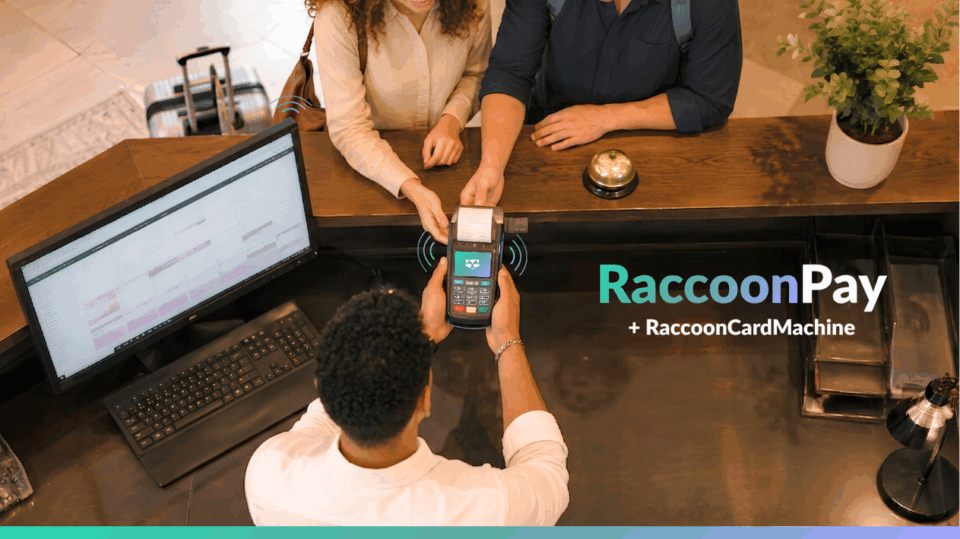
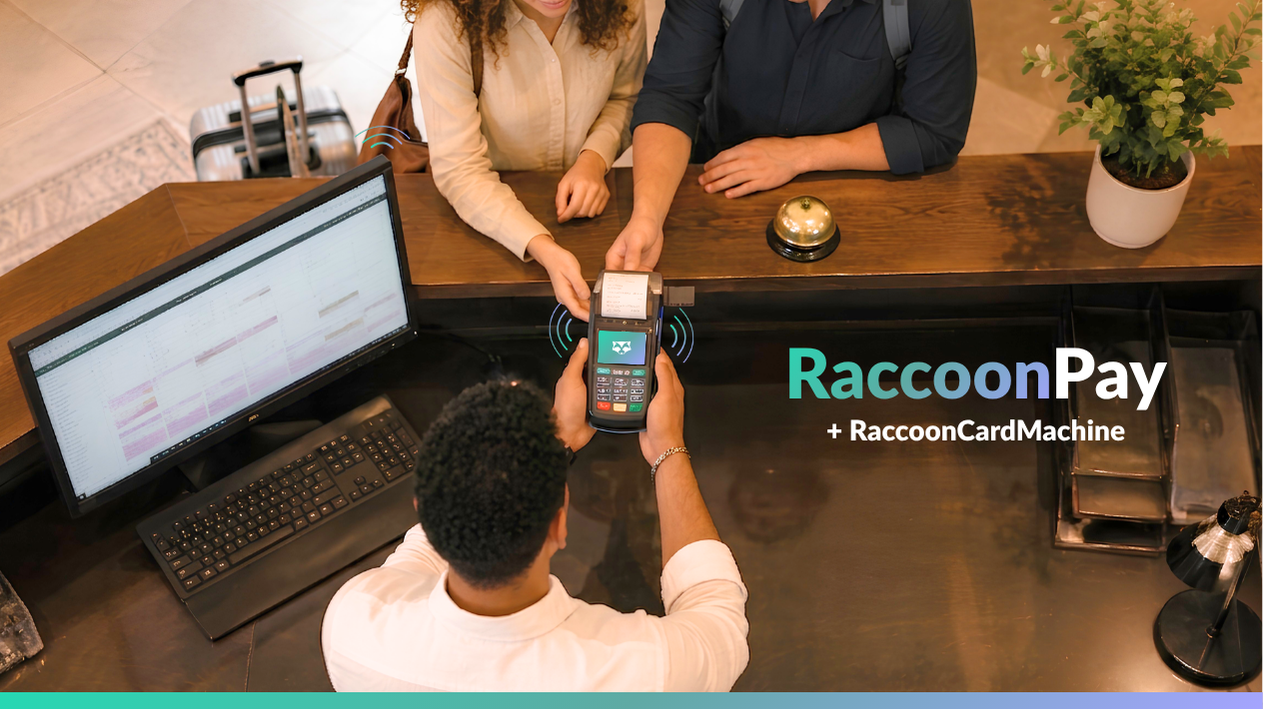
An integrated card machine is a payment terminal that connects directly with hotel management software so that every transaction is automatically linked to a reservation, invoice, or guest profile. Instead of processing payments separately, the amount is sent from the PMS to the terminal and confirmed back into the booking record. This approach reduces manual entry, improves payment accuracy, and allows hotel teams to manage check-in, check-out, deposits, and on-site purchases within the same operational system.
2How does a card machine integrate with a Property Management System (PMS)?
Integration with a Property Management System means payment data flows automatically between the terminal and the reservation system. When staff select a booking or invoice inside the PMS, the payment amount is pushed to the terminal for the guest to complete. Once approved, the transaction status updates the reservation record instantly. This synchronisation helps hotels track outstanding balances, link payments to guest folios, and maintain accurate financial reporting across front desk operations and accounting workflows.
3What is the difference between an integrated hotel card machine and a standalone payment terminal?
A standalone payment terminal only processes the transaction itself, while an integrated hotel card machine communicates with hotel software such as the PMS, Booking Engine, and accounting systems. With integration, payment data is automatically connected to reservations and invoices, eliminating manual reconciliation. Standalone terminals require staff to match payments manually later. For hotels managing multiple bookings, OTA reservations, and direct sales, integration significantly improves operational efficiency and financial visibility.
4Why are integrated card payment solutions important for hotels in Ireland?
Integrated payment solutions matter in Ireland because guests increasingly expect quick contactless payments, mobile wallet support, and seamless transactions at the front desk. Hotels handling a mix of online bookings, OTA reservations, and on-site payments benefit from linking card terminals with their PMS and booking systems. This integration reduces administrative work, supports faster guest service, and ensures payment records match reservation data, which is especially valuable for busy hotels and independent accommodation providers.
5Which payment methods should a modern hotel card machine support in Ireland?
A modern hotel card machine in Ireland should support chip and PIN transactions, contactless cards, and mobile wallets such as Apple Pay or Google Pay. These payment methods reflect how most guests prefer to pay at hospitality venues today. In addition, the terminal should handle refunds, partial payments, and deposits. Compatibility with hotel software ensures these transactions automatically update guest accounts, improving operational transparency and simplifying the reconciliation process.
6How does a card machine support payments from direct bookings through a Booking Engine?
A card machine supports the final stage of payment processing when guests who booked online still need to pay remaining balances at the property. While the Booking Engine handles online transactions, the terminal allows staff to settle outstanding amounts during check-in or check-out. When connected with the PMS and booking system, the payment status updates automatically. This ensures direct bookings remain financially consistent across online reservations, guest folios, and the hotel’s accounting reports.
7How are OTA payments and virtual cards handled within hotel payment systems?
OTA reservations often involve virtual credit cards issued by the platform. These cards can usually be charged according to predefined rules or activation dates. In an integrated payment environment, the hotel’s PMS records the booking, while the payment workflow helps staff track when OTA cards can be processed. A connected terminal or payment system ensures the transaction is logged in the guest folio and financial reports, allowing hotels to maintain accurate revenue records for third-party bookings.
8How does a card machine reduce manual work at the hotel reception desk?
Manual payment entry often causes mistakes, delays, or mismatched financial records. When a payment terminal is connected to hotel software, staff simply select the reservation or invoice in the PMS and send the amount to the terminal. After the guest completes the transaction, the result automatically updates the booking. This process eliminates repeated data entry, reduces reconciliation errors, and allows reception teams to focus more on guest service rather than administrative tasks.
9What operational benefits do hotels gain from integrated payment terminals?
Integrated payment terminals streamline front desk operations by synchronising payments with reservations, invoices, and guest accounts. Hotels gain clearer financial reporting, faster transaction handling, and improved accuracy in payment records. This integration also simplifies the tracking of deposits, partial payments, and extras such as room upgrades or minibar charges. By linking payments with operational systems like the PMS and Channel Manager, hotels maintain a unified view of bookings, revenue, and payment status.
10What costs should hotels consider when choosing a card machine solution?
Hotels evaluating card machine solutions should consider transaction fees, hardware costs, contract terms, and support services. Beyond these direct costs, operational efficiency also matters. Systems that integrate with PMS software may reduce administrative labour and reconciliation time. Hotels should also review onboarding fees, settlement timelines, refund policies, and compatibility with their existing booking and payment systems to ensure the solution fits both operational and financial requirements.
11How long does it typically take to implement a hotel card machine system?
Implementation usually includes ordering the device, completing merchant onboarding, configuring the payment environment, and connecting the terminal to hotel software. For many hotels this process can take several days to a few weeks depending on compliance checks and system configuration. Once installed, staff training and testing ensure the terminal communicates correctly with the PMS or payment platform. Proper setup helps guarantee that reservations, invoices, and payment transactions synchronise accurately from the start.
12What technical requirements are needed to operate a hotel card machine effectively?
Reliable internet connectivity is the most critical technical requirement for modern card machines because transactions must communicate with payment networks and hotel software. Hotels should also ensure stable Wi-Fi coverage at reception, secure network access, and uninterrupted power supply. In addition, terminals connected to cloud hotel software must communicate with the PMS environment securely. Strong network stability ensures faster transaction approval and reduces the risk of failed or interrupted payments.
13How do payment security standards affect hotel card machine usage?
Payment security standards exist to protect cardholder data and reduce fraud risks. Hotels using card machines must follow recognised security practices such as secure network access, controlled system permissions, and safe handling of payment data. Integrated payment systems typically reduce exposure because sensitive card information is processed within certified payment environments. Maintaining these standards helps hotels safeguard guest information while complying with industry security requirements.
14What role does Strong Customer Authentication play in hotel payments in Ireland?
Strong Customer Authentication is a European regulatory requirement designed to reduce fraud in electronic payments. It mainly applies to online transactions where additional identity verification may be required. For hotels, this is particularly relevant for online bookings and remote payments processed through booking platforms or payment links. In contrast, most in-person card machine transactions already meet authentication requirements through chip or contactless payment methods used at the reception desk.
15How do deposits and pre-authorisations work with hotel card machines?
Deposits and pre-authorisations allow hotels to secure payment guarantees before or during a guest’s stay. A pre-authorisation temporarily reserves a specific amount on the guest’s card without immediately capturing the funds. When the stay ends, the hotel can convert that authorisation into a final payment or release it. When integrated with the PMS, these transactions appear within the guest folio, helping staff track guarantees and final charges accurately.
16When is an integrated card machine more useful than relying only on online payments?
Online payments cover many transactions before arrival, but hotels still manage numerous in-person payments such as remaining balances, upgrades, deposits, or additional services. A card machine becomes essential whenever guests need to pay at the property. Integration with hotel software ensures those transactions remain linked to reservations and financial reports, creating a complete payment workflow that combines online bookings with physical front desk transactions.
17How can card machines support upselling and additional hotel services?
Upselling opportunities often arise at the reception desk when guests request room upgrades, breakfast packages, parking, or late check-out. A connected payment terminal allows staff to process these charges immediately and link them to the guest folio. This ensures additional services appear in the reservation record and financial reports. Efficient payment handling encourages hotels to capture incremental revenue opportunities without complicating the billing process.
18How do integrated payment systems benefit multi-property hotel groups?
Hotel groups operating multiple properties benefit from standardised payment processes across locations. Integrated payment systems allow each property to process transactions locally while maintaining centralised reporting. This structure helps management monitor revenue performance, reconcile payments more easily, and maintain consistent operational procedures. When connected with shared PMS or cloud hotel platforms, payment data across all properties becomes easier to analyse and manage.
19How does a card machine influence the guest experience during check-in and check-out?
A fast and reliable payment process improves the guest experience at both arrival and departure. Guests expect contactless and mobile payment options, especially in busy reception areas. Integrated payment terminals help staff process transactions quickly while automatically updating reservation records. This reduces waiting times and prevents billing misunderstandings, which contributes to a smoother check-in and check-out experience.
20How does payment automation support hotel revenue management and cash flow control?
Payment automation improves financial visibility by ensuring transactions are recorded immediately and accurately within hotel systems. When payment data connects with the PMS and reporting tools, revenue managers gain clearer insight into paid bookings, outstanding balances, and settlement timelines. This information helps hotels forecast cash flow, track revenue sources, and make pricing or distribution decisions based on reliable financial data.
21How do card machines integrate with Channel Manager and OTA distribution systems?
Channel Managers distribute room availability and prices across online travel agencies and booking platforms. While they manage inventory and reservations, payment systems ensure the financial side of these bookings is tracked correctly. Integration with the PMS allows payments related to OTA bookings to appear in guest folios and reports. This coordination ensures reservation data, revenue records, and payment information remain aligned across distribution channels.
22What regulatory and tax considerations affect hotel payment systems in Ireland?
Hotels in Ireland operate within European payment regulations and national tax rules. Payment processes must align with digital payment security requirements while financial reporting must follow Irish tax obligations for accommodation services. Hotels therefore benefit from payment systems that maintain clear transaction records linked to invoices and reservations. Accurate documentation simplifies accounting, tax reporting, and financial auditing.
23How does cloud hotel software improve payment processing workflows?
Cloud hotel software centralises operational systems such as the PMS, Booking Engine, Channel Manager, and payment modules within one connected environment. When payment terminals integrate with this cloud infrastructure, transaction data automatically synchronises with reservations and financial reports. This architecture improves transparency, reduces manual reconciliation, and allows hotel teams to manage payments, bookings, and guest data from a single operational platform.
24What questions help hotels evaluate card machine solutions for their operations?
Hotels evaluating payment terminals should ask practical questions about integration, reporting, compliance, settlement speed, and compatibility with their existing hotel software. They should also assess how payments link to reservations, how refunds and deposits are handled, and how financial reports are generated. Considering these operational factors helps hotels select payment technology that supports both guest service and financial management.
25How does RoomRaccoon connect a hotel card machine with the broader hotel management platform?
RoomRaccoon connects its card machine within a broader hospitality platform that includes a Property Management System, Booking Engine, Channel Manager, and integrated payment environment. In this setup, payment transactions flow directly into the reservation record and financial reporting tools. This architecture allows hoteliers to manage guest payments, reservations, and operational data in one unified cloud platform, helping maintain consistency across booking channels, front desk operations, and revenue tracking.