1What is a digital ID scanner for hotels and accommodation providers?
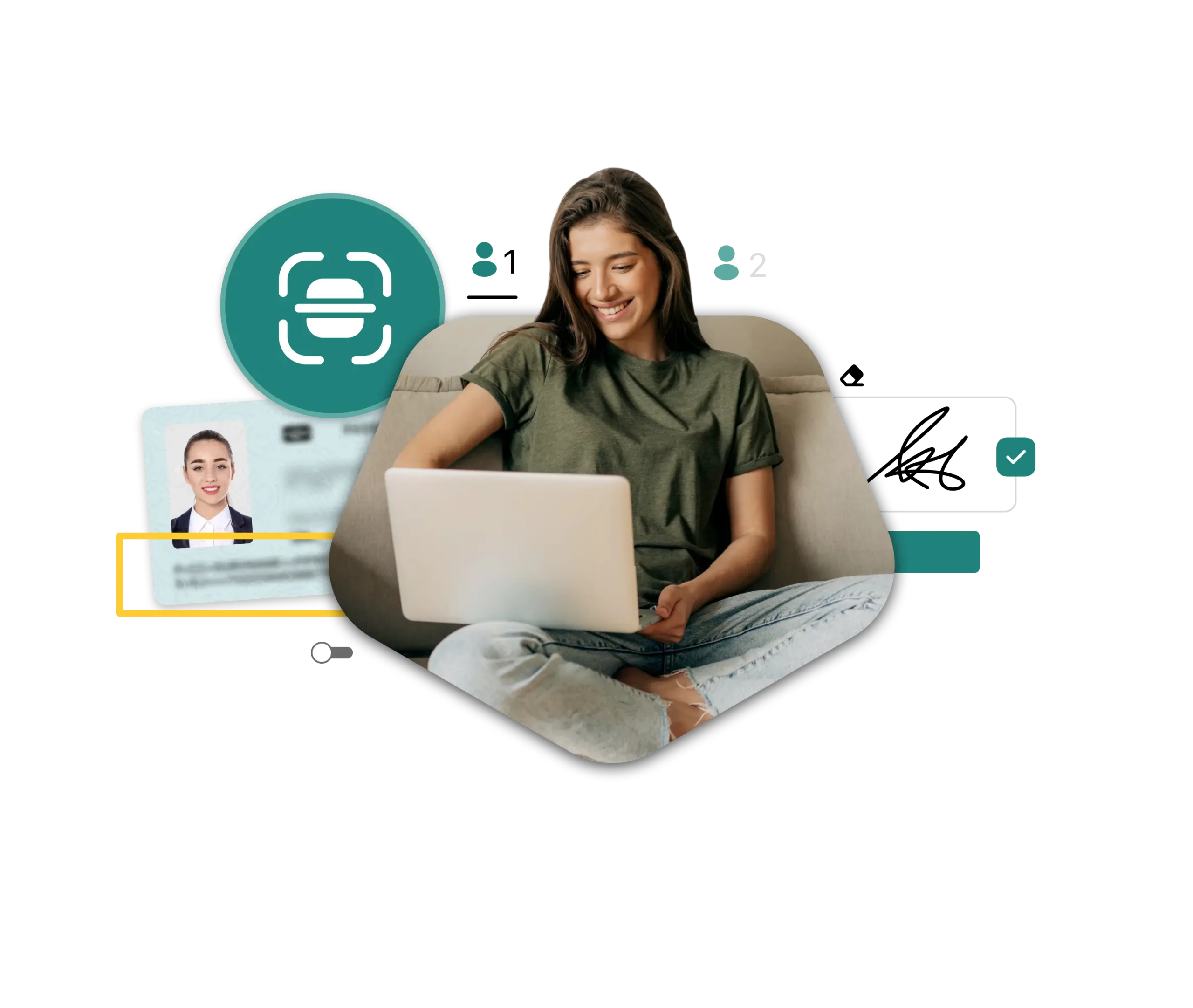
A digital ID scanner is a hotel technology tool that reads passports or identity cards and automatically extracts guest information such as name, nationality, document number and expiry date. The captured data is transferred directly into a property management system (PMS) or guest profile within cloud-based hotelsoftware. For accommodation providers in Ireland, this reduces manual data entry during check-in, improves record accuracy and supports smoother guest registration processes within automated hospitality operations.
2How does a digital ID scanner work during the hotel check-in process?
A hotel ID scanner captures information from a passport or national ID card using optical character recognition and machine-readable zone technology. The extracted data is automatically transferred into the property management system (PMS), where it populates the reservation record and guest profile. This allows reception staff to confirm identity quickly, assign rooms and complete check-in steps without manually typing guest information, which is particularly useful during busy arrival periods or late evening check-ins in Irish accommodation properties.
3Why are hotels and guesthouses in Ireland adopting digital ID scanning technology?
Irish accommodation providers are increasingly adopting digital ID scanning to improve operational efficiency, reduce administrative workload and speed up guest arrivals. Properties often manage reservations from direct bookings, OTA platforms and phone reservations simultaneously, which can create complex check-in workflows. By automatically capturing identity details and linking them to the reservation in the PMS, digital scanning simplifies front-desk processes while helping staff maintain accurate guest records across modern cloud-based hospitality systems.
4What operational benefits does a digital ID scanner provide for accommodation businesses?
The main operational benefits include faster check-ins, fewer typing errors, improved data consistency and reduced administrative workload for front-desk teams. Automated identity capture ensures guest profiles in the PMS match the information shown on official travel documents. This improves reporting quality, supports smoother guest communication and strengthens internal workflows such as invoicing, room assignment, housekeeping coordination and stay history tracking within integrated hotelsoftware environments used by many Irish accommodation businesses.
5What is the difference between manual guest registration and digital ID scanning?
Manual guest registration requires staff to read information from a passport or ID and type it into the property management system or a paper form. Digital ID scanning automates this process by capturing document data instantly and transferring it directly to the PMS. The difference lies in speed, consistency and accuracy. Automated capture reduces typing mistakes and ensures guest records are standardised, which is particularly helpful when handling high volumes of arrivals from multiple booking channels.
6Which types of identity documents can typically be scanned at hotel check-in?
Most hotel ID scanning systems are designed to read international passports and European national identity cards, which contain machine-readable zones that allow automated data extraction. These documents are commonly presented by international travellers visiting Ireland. In many cases, the scanner reads the document visually and extracts key fields such as name, nationality and document number, allowing the hotel to verify identity and create a structured guest profile in its property management system.
7Is digital ID scanning useful for small Irish hotels, B&Bs and guesthouses?
Digital ID scanning can benefit smaller accommodation providers as much as larger hotels because many owner-managed properties operate with limited staff. Automating the capture of guest information reduces administrative work and helps one person manage reservations, check-ins and guest communication more efficiently. For Irish B&Bs and boutique hotels using cloud-based hotelsoftware, integrating identity capture with the PMS and booking engine can streamline the entire arrival process without requiring additional administrative staff.
8How does a digital ID scanner integrate with a property management system (PMS)?
Integration with a property management system allows the scanned identity information to automatically populate the guest profile linked to a reservation. When a passport or ID card is scanned, fields such as name, nationality and document number appear directly in the PMS record. This connection ensures that guest information is captured once and then used throughout the operational workflow, including room allocation, billing, reporting, guest communication and future stay history tracking.
9How does ID scanning support hotel channel managers and OTA reservations?
A channel manager distributes room availability and rates across online travel agencies (OTA’s) and other booking channels, but reservations arriving from those channels may contain incomplete or inconsistent guest details. Digital ID scanning helps verify and complete guest information at arrival, ensuring the PMS record accurately reflects the person checking in. This improves operational reporting and reduces discrepancies between OTA reservation data, guest identity details and internal hotel records.
10How does a digital ID scanner work alongside a hotel booking engine?
A booking engine captures reservation details when a guest books directly through a hotel website, while a digital ID scanner confirms and completes identity information at check-in. When both systems are connected through a PMS, the reservation data collected during booking can be verified against the guest’s travel document on arrival. This reduces duplicate data entry and creates a continuous workflow from online booking to check-in within cloud-based hotel management systems.
11Can digital ID scanning enable faster or contactless hotel check-ins?
Digital ID scanning can contribute to faster or semi-contactless check-ins by reducing the amount of manual paperwork required at the reception desk. When guest information is captured automatically and linked to the reservation in the PMS, staff can complete arrival steps more quickly. Combined with online check-in forms, digital payments and automated room assignment, identity scanning supports a streamlined arrival experience that reduces queues and administrative friction in busy accommodation environments.
12What data protection rules apply to digital ID scanning in Ireland?
Digital ID scanning in Irish hotels must comply with the General Data Protection Regulation (GDPR) and guidance from the Irish Data Protection Commission. Accommodation providers must have a lawful basis for processing personal data, collect only the information necessary for the booking or stay and inform guests how their data will be used. Hotels should also implement security controls, access restrictions and clear retention policies to ensure identity data is stored and handled responsibly.
13Should Irish hotels store copies of guest passports or only capture identity details?
Under GDPR principles such as data minimisation, hotels should avoid collecting or storing more personal data than necessary. In many cases, verifying identity and capturing essential information such as name, nationality and document number may be sufficient. Storing a full copy of a passport image may require a clear operational justification and transparent guest communication. Irish accommodation providers should therefore assess carefully whether document images are required or whether extracted data fields are enough.
14What security features should a hotel ID scanning system include?
An effective ID scanning solution should include encryption of stored data, role-based access controls, secure cloud hosting and audit logs showing how identity information is accessed and processed. Additional features may include configurable data retention periods, automated deletion policies and secure integration with the property management system. These safeguards help ensure guest identity data remains protected while still allowing authorised hotel staff to access the information required for operational purposes.
15How does digital ID scanning improve guest data accuracy?
Digital ID scanning improves data accuracy by capturing identity information directly from official travel documents rather than relying on manual typing. Optical recognition technology reads structured document fields and transfers them directly into the PMS. This reduces spelling mistakes, incomplete records and mismatched details between the reservation and the guest’s identity document. Accurate guest data supports clearer reporting, smoother guest communication and more reliable operational processes throughout the hotel.
16What are the typical costs associated with implementing a hotel ID scanning solution?
Costs typically include the software subscription, potential scanning hardware if required and the internal time needed for configuration and staff training. Some systems operate entirely through cloudsoftware and require only a compatible device such as a tablet or smartphone. Irish accommodation providers often evaluate the total operational impact rather than the tool price alone, comparing administrative time saved against improvements in check-in speed, data accuracy and front-desk efficiency.
17How long does it take to implement a digital ID scanner in a hotel operation?
Implementation timelines vary depending on system integration and staff training requirements, but many cloud-based solutions can be deployed relatively quickly when they connect directly to the existing PMS. The most important steps include configuring data fields, defining privacy policies, training staff and testing real arrival scenarios. Hotels typically run pilot check-ins before full deployment to ensure the scanning workflow works smoothly with reservations arriving from direct bookings and OTA channels.
18What staff training is required to use a digital ID scanner effectively?
Staff training usually focuses on how to capture documents correctly, how to handle unreadable or damaged identification and how to respond to guest privacy questions. Employees should also understand the hotel’s data protection policies, including who can access identity records and how long they are retained. Consistent training helps ensure that scanning technology supports the guest experience rather than creating confusion or delays during check-in operations.
19How does digital ID scanning influence the guest arrival experience?
A streamlined arrival process often begins with efficient identity verification. Digital ID scanning reduces the need for guests to complete paper forms or wait while reception staff manually enter details. When connected to a PMS and automated workflows, the scanner allows staff to confirm identity quickly and proceed directly to room allocation or payment processing. This can create a smoother first impression for travellers arriving at Irish hotels, guesthouses or serviced accommodation.
20Can ID scanning contribute to revenue management and operational analytics?
Digital ID scanning itself is not a revenue management tool, but the accurate guest data it produces strengthens the quality of operational reporting used in revenue strategies. Clean guest records in the PMS improve segmentation, reporting reliability and stay history tracking. These insights can support revenue management decisions, demand forecasting and performance analysis, particularly when the hotel’s booking engine, channel manager and reporting tools are integrated within a unified hospitality software platform.
21How does digital ID scanning fit within a modern hotel automation ecosystem?
In modern hospitality operations, digital ID scanning acts as a data capture step within a broader automation workflow. A guest books through an OTA or booking engine, the reservation enters the PMS, identity is verified through scanning, payment is processed and operational tasks are triggered automatically. This integration connects identity verification with reservations, billing, guest communication and reporting, helping hotels operate more efficiently within cloud-based hotelsoftware ecosystems.
22When should a hotel choose an integrated ID scanner instead of a standalone tool?
Hotels should consider an integrated ID scanner when they want identity verification to connect directly with their PMS, booking engine and operational workflows. Standalone tools can read documents but may require manual exports or duplicate data entry. Integrated solutions allow guest identity details to flow automatically through the reservation lifecycle, which reduces administrative work and ensures consistent guest records across distribution channels and internal hotel systems.
23What should Irish accommodation providers evaluate when selecting an ID scanning system?
Important evaluation factors include compatibility with the property management system, integration with booking engines and channel managers, data security controls and compliance with GDPR. Hotels should also review whether the system supports automation workflows, online check-in processes and reporting needs. A practical evaluation focuses on how well the scanning technology fits daily operations, rather than only how quickly it reads a passport or identity card.
24What common mistakes should hotels avoid when implementing digital ID scanning?
Common implementation mistakes include collecting excessive personal data, failing to train staff properly, ignoring privacy communication with guests and choosing tools that do not integrate with existing hotelsoftware. Another frequent issue is treating identity scanning as a standalone feature instead of part of a broader automation workflow. Successful implementation requires aligning the scanner with the PMS, booking channels, guest communication processes and internal compliance policies.
25How does RoomRaccoon approach digital ID scanning for hotels in Ireland?
RoomRaccoon provides digital ID scanning as part of an integrated hospitality platform designed to streamline hotel operations. The scanner captures guest identity data and automatically transfers it into the property management system, reducing manual data entry during check-in. Because the feature sits within a platform that also includes a Channel Manager, Booking Engine, payment automation and operational reporting, Irish accommodation providers can manage reservations, guest data and arrival workflows through a connected cloud-based system.